

I decided to embrace poultry and organic farming together because poultry makes organic farming possible.
Poultry farming is the practice of rearing domestic birds, in my case, broilers. This includes breeding, feeding, and caring for them. While many people raise birds mainly for economic reasons, in our community, it is also a hobby and a way to promote healthy living. We currently rear between 400 and 500 birds for multiple purposes inclding:
Organic farming focuses on using natural processes rather than synthetic chemicals to grow crops. We use poultry droppings, once composted, to enrich the soil for our vegetables. This ensures that our crops are 100 percent organic and free of chemicals.
We also use natural methods to care for our crops to avoid using chemicals. For example, we sprinkle wood ashes to repel ants. We sometimes feed our birds farm-grown herbs, like bitter leaves, which help keep them healthy.
Healthy Living: Raising our own birds ensures we know exactly what we eat. We realized that many farmers use unhealthy hormones and chemicals to grow birds for commercial purposes. Organic farming allows us to maintain a healthy diet for both our birds and our community.
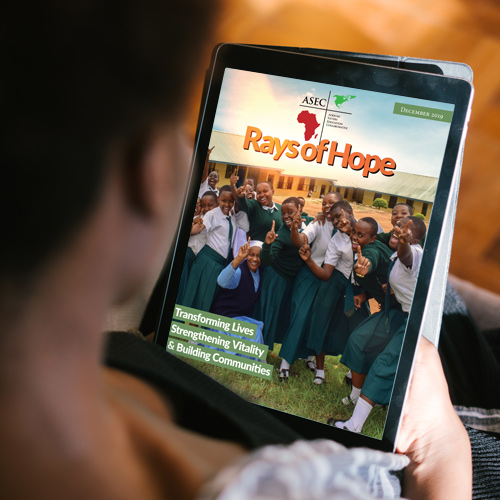
Read Rays of Hope
Learn more about Catholic Sisters transforming poor, rural communities across Africa in our FREE Rays of Hope ebook.
Read It Now »
Sr. Vera cares for her flock of broilers, combining poultry farming with organic agriculture to promote healthy living and support sustainable livelihoods.
Healthy connection with creation: In Laudato Si’, Pope Francis highlights the connection between humans and God’s creation. The Holy Father calls the earth our common home, and he emphasizes the need and responsibility of us to care for this common home. By avoiding chemicals, we respond to this call by protecting the soil and the ecosystem, preserving important microbes, and supporting a healthy environment.
Economic purpose: Selling our birds increases community income and helps us meet basic needs, such as paying bills. Because we grow our own vegetables, we have not needed to buy produce for many months.
Beautifying the environment: We also use poultry droppings to nourish our flowers, keeping our convent environment beautiful and thriving. Working with birds and crops has deepened my sense of connection with all living things. I often talk to my birds and plants, and I can sense when something is wrong. Sometimes, when I walk into the poultry house to feed the birds, I just know when they are not well. Sometimes, I have felt reluctant to sell them because of the bond I have with them.
It has been such a fulfilling experience for me to do both poultry and bio-farming. I feel healthier and happier. I can do all of this thanks to the training I received from ASEC. The training I received taught me not only financial management, but also how to see obstacles as opportunities and make the most of available resources.
When I moved to my new community in July 2025, I immediately planned how to use the space effectively. I discussed the plan with my community, and by the end of August, we had built our poultry house and prepared for our first set of birds.
Now, as Principal, I plan to introduce my students to poultry farming as a way to promote healthy living and entrepreneurship, helping them become future community leaders and innovators.